

12/10/2025
Introduction: The Urgent Need for Sustainable Concrete
Concrete stands as the second most consumed material on Earth after water, yet traditional cement production contributes to around 7% of global CO₂ emissions. As the construction industry faces mounting pressure to reduce its environmental footprint, sustainable concrete solutions have become vital pathways toward a greener future.
At HS Company Limited, we understand that sustainability is not a single factor—it encompasses resource efficiency, durability enhancement, and circular economy principles. This analysis explores the cutting-edge innovations transforming concrete from an environmental challenge into a sustainable solution.

Understanding the Environmental Challenge
The cement industry contributes approximately 7–8% of global CO₂ emissions, with process emissions from limestone calcination accounting for 60–65% of total manufacturing emissions. Because of concrete’s immense global consumption, even modest efficiency improvements translate into massive environmental benefits.
Sustainable concrete goes beyond reducing emissions—it integrates:
-
Embodied energy reduction
-
Natural resource conservation
-
Water optimization and waste minimization
-
Extended service life and durability
This holistic approach ensures every stage of the concrete lifecycle contributes to climate responsibility.
Advanced Admixture Technology for Sustainability
Reducing Cement Content Through Enhanced Efficiency
The key to sustainable concrete is reducing the use of CEM I, the primary emissions source in conventional mixes. Advanced low-carbon admixtures allow replacement of CEM I with high levels of Supplementary Cementitious Materials (SCMs) such as slag or fly ash while maintaining strength and durability.
Modern Polycarboxylate Ether (PCE) admixtures enable 25–40% water reduction, allowing lower cement content while maintaining target strength.
Each ton of cement replaced avoids approximately 0.9 tons of CO₂ emissions.
Strength-Enhancing Admixtures
Patented strength-enhancing admixtures improve both early and late-age strength development while enabling 15–20% CO₂ reduction compared to conventional formulations.
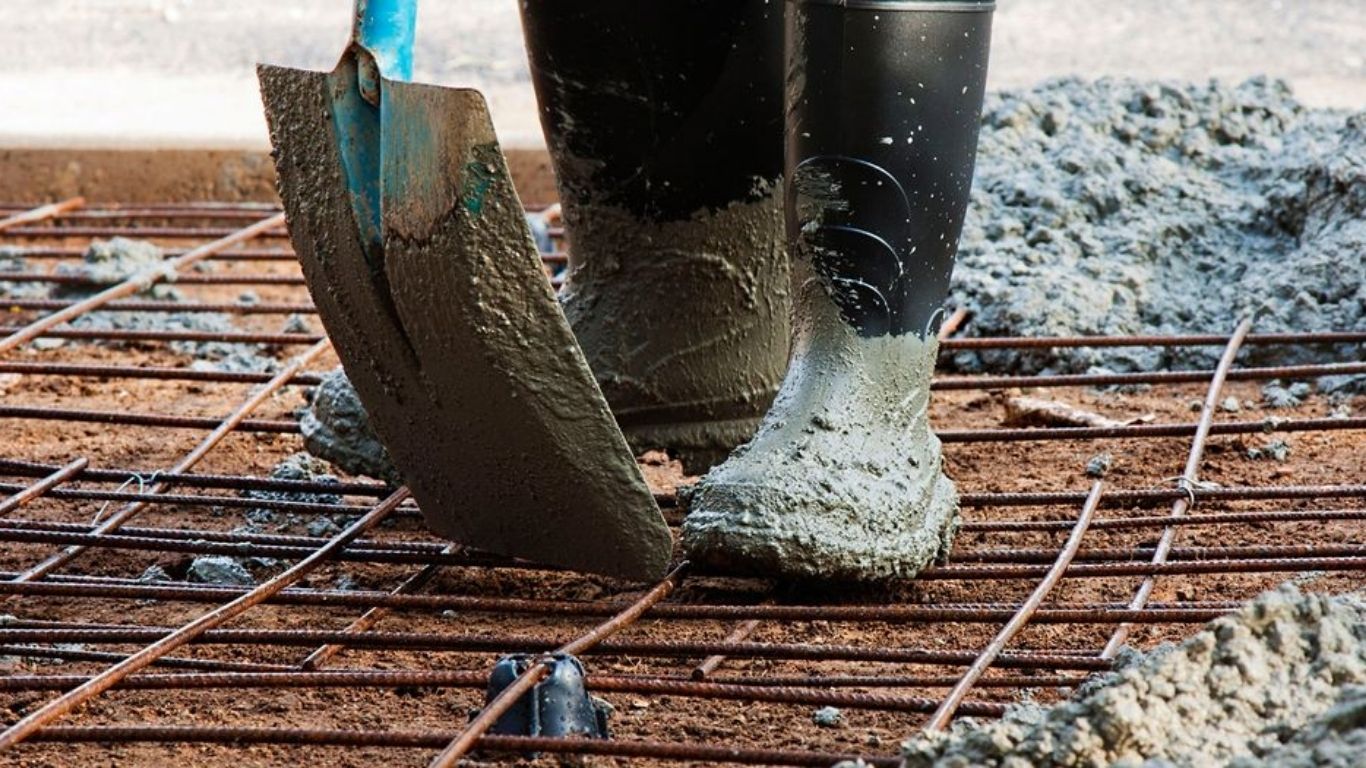
Sustainable Concrete Solutions: Innovations for a Greener Future
These specialized polymers accelerate hydration and improve particle packing efficiency, creating denser concrete matrices with superior performance even at lower binder contents.
👉 Learn more about Green Building Admixtures
Supplementary Cementitious Materials (SCMs) Integration
Industrial By-Products as Sustainable Solutions
By leveraging advanced admixtures, traditional cement can be partially replaced with high volumes of industrial by-products:
-
Fly ash from coal combustion
-
GGBFS from steel production
-
Silica fume from silicon manufacturing
These SCMs reduce embodied carbon, enhance chemical resistance, and contribute to a circular economy by transforming industrial waste into construction value. Properly formulated systems can replace 30–70% of cement content while improving durability.
Optimized SCM Systems
Modern PCE admixtures designed for SCM compatibility ensure consistent performance across varying materials and climates. The synergy between admixtures and SCMs produces concrete with a dramatically reduced carbon footprint and superior durability.
Carbon Capture and Storage in Concrete
CCUS Technology Integration
Carbon capture, utilization, and storage (CCUS) represents a pivotal innovation in sustainable concrete production. These technologies—such as CO₂ injection, curing, and mineralization—enable concrete to transition from a source of carbon emissions to a carbon sink.
According to global decarbonization roadmaps, CCUS accounts for 36% of the planned carbon-reduction potential in the concrete industry.
CO₂ Mineralization
CO₂ mineralization reacts captured carbon with calcium-rich compounds to form stable calcium carbonate, permanently storing carbon within concrete.
CO₂ curing technologies accelerate strength gain and bind 5–10% of production emissions directly into the concrete matrix.
Each cubic meter of CO₂-mineralized concrete sequesters up to 20 kg of CO₂ while improving compressive strength.
Innovative Technologies for Extended Service Life
Self-Healing Concrete
Self-healing concrete incorporates specialized admixtures that automatically repair microcracks through crystalline growth or bacterial activity.
This extends service life to over 100 years, reducing maintenance frequency and total lifecycle emissions.
Bio-Based Admixtures
Next-generation bio-based admixtures derived from lignin, starch, or plant oils reduce dependence on petroleum-based chemicals while maintaining superior performance. These renewable admixtures significantly lower embodied carbon.
Construction Optimization and Performance
Performance-Based Mix Design
A performance-based mix design optimizes material efficiency, enabling maximum SCM utilization without compromising strength or durability.
Advanced testing verifies compressive strength, permeability, freeze–thaw resistance, and chemical durability—ensuring both sustainability and structural integrity.
Construction Efficiency
Admixtures enhance construction sustainability by:
-
Improving workability and pumpability
-
Reducing placement time and waste
-
Enabling extended working time for large pours
-
Minimizing rejections and rework
These factors combine to lower project emissions and improve cost efficiency.
Economic Viability and ROI
Cost-Benefit Analysis
While some sustainable technologies involve higher upfront costs, lifecycle analysis shows significant payback:
-
Lower cement costs via SCMs
-
Reduced maintenance
-
Higher asset value through durability
-
Shorter payback periods
Proven Return on Investment
Infrastructure using sustainable concrete achieves payback within 3–7 years, with total savings of 15–35% over 50 years due to reduced maintenance and longer life cycles.
💬 “Every ton of cement saved is nearly a ton of CO₂ avoided—and a step closer to sustainable infrastructure.”
Future Innovations: Digital and Smart Concrete
Digital Integration
Smart concrete systems with embedded sensors enable real-time monitoring of curing, stress, and cracking—supporting predictive maintenance and longer service life.
Advanced Manufacturing
3D printing with sustainable concrete reduces waste by optimizing geometry and material placement, cutting CO₂ emissions by 20–30%.
Automation ensures consistent quality and minimizes human error.
Implementation Strategies
Effective adoption of sustainable concrete requires:
-
Clear sustainability goals
-
Local SCM availability assessment
-
Technical training for engineers and site teams
-
Continuous quality monitoring
Early collaboration among designers, contractors, and suppliers ensures optimal performance across environmental and economic parameters.
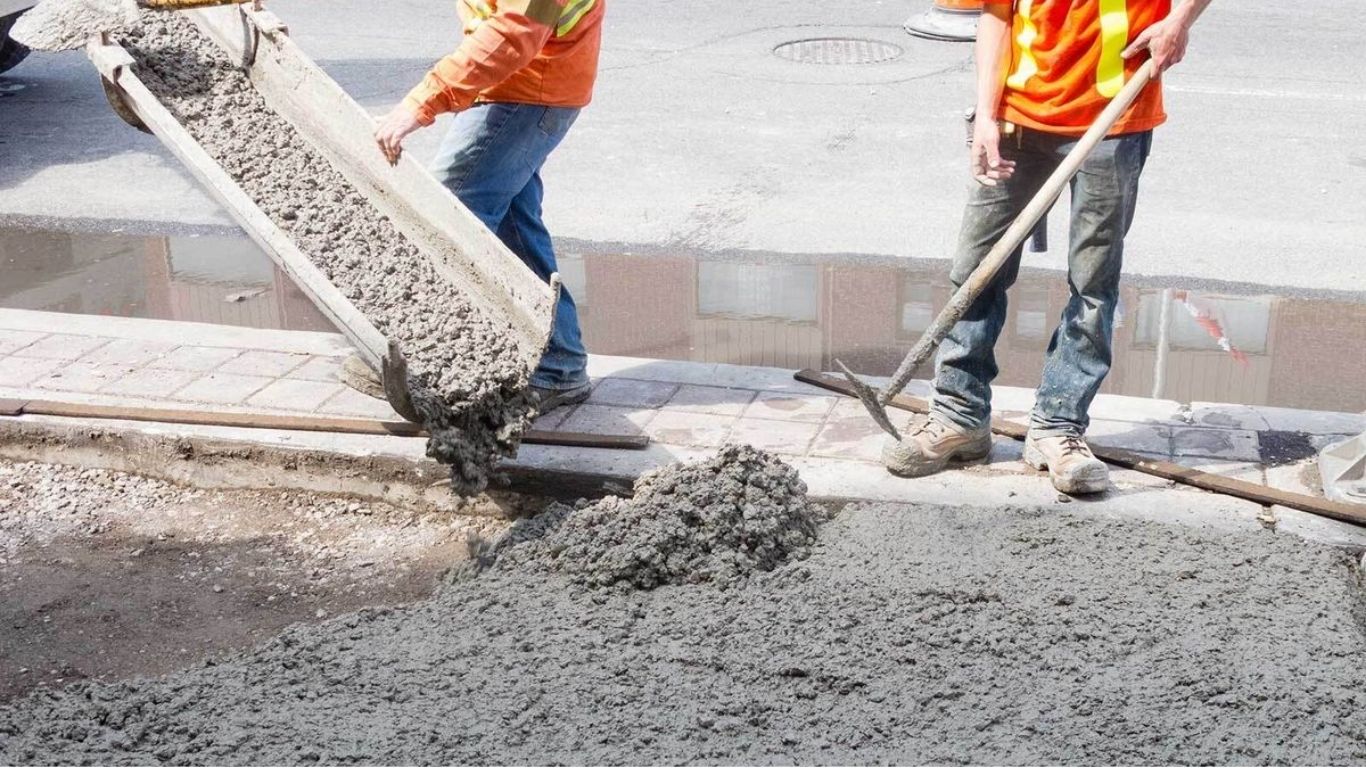
Conclusion: Building a Sustainable Future
The transformation of concrete from an environmental burden to a sustainable building solution represents one of modern construction’s greatest achievements.
Through advanced admixtures, SCM integration, and carbon capture, the industry can significantly reduce its environmental impact while enhancing performance.
At HS Company Limited, our mission is to help builders and engineers achieve their sustainability goals without sacrificing technical excellence or economic feasibility.
—————————————–
HS Company Limited – The global supplier of polycarboxylate ether (PCE) concrete admixtures.
General inquiry
Email: Info@hs-polycarboxylate.com
Tel: +84 28 5410 6840
Overseas Business
Email: export@hs-polycarboxylate.com
Tel: +84 28 5410 6840


