

29/10/2025
Introduction: PCE Admixtures Enabling Concrete Decarbonization
The cement industry is responsible for about 8 % of global CO₂ emissions, releasing roughly 1.6 billion metric tons annually (2022). Concrete, the world’s second-most-consumed material after water, sits at the center of this challenge. Reducing its carbon footprint is critical to meeting international climate goals.
At HS Company Limited, we recognize that Polycarboxylate Ether (PCE) admixtures play a pivotal role in enabling the concrete industry’s transition toward sustainability. By reducing water and cement requirements while maintaining superior performance, PCE admixtures offer immediate, scalable pathways for carbon reduction across the built environment.
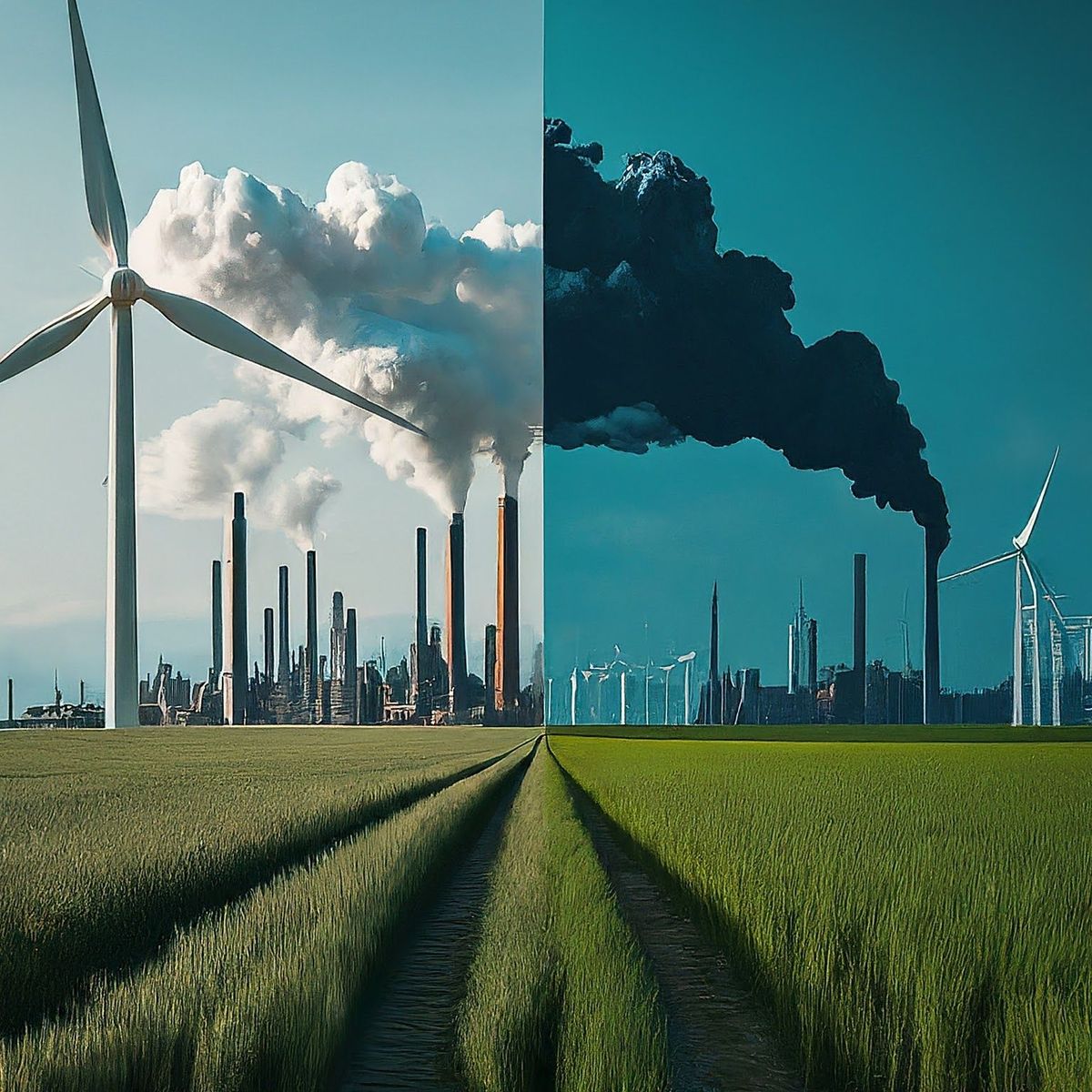
The Net-Zero Challenge for the Concrete Industry
The Global Cement and Concrete Association (GCCA) has committed the sector to net-zero emissions by 2050. Without decisive intervention, emissions from cement could climb to 3.8 billion tons of CO₂ per year by mid-century.
More than half of current cement emissions—approximately 54 %—originate from limestone calcination, a chemical process that releases CO₂ directly. The remaining ~46 % stems from fuel and power used to heat kilns to 1,450 °C. This split underscores why energy efficiency alone cannot deliver deep decarbonization.
Effective mitigation, therefore, depends on clinker reduction and alternative binders, areas where PCE admixtures enable significant progress.
How PCE Admixtures Drive Carbon Reduction Today
1. Optimizing Cement Utilization
PCE-based high-range water reducers achieve 25 – 40 % water reduction compared with conventional concrete. This allows producers to meet target strength with less cement at a lower water-to-cement ratio, resulting in denser, more durable concrete. Each ton of cement avoided prevents roughly 0.9 tons of CO₂ emissions—a direct and measurable environmental benefit.
2. Enabling High SCM Replacement
Advanced PCE chemistry maintains workability even when concrete contains 30 – 50 % supplementary cementitious materials (SCMs) such as fly ash, ground-granulated blast-furnace slag, or silica fume. These industrial by-products would otherwise require disposal; in concrete, they replace high-carbon clinker and transform waste into value while cutting embodied emissions.
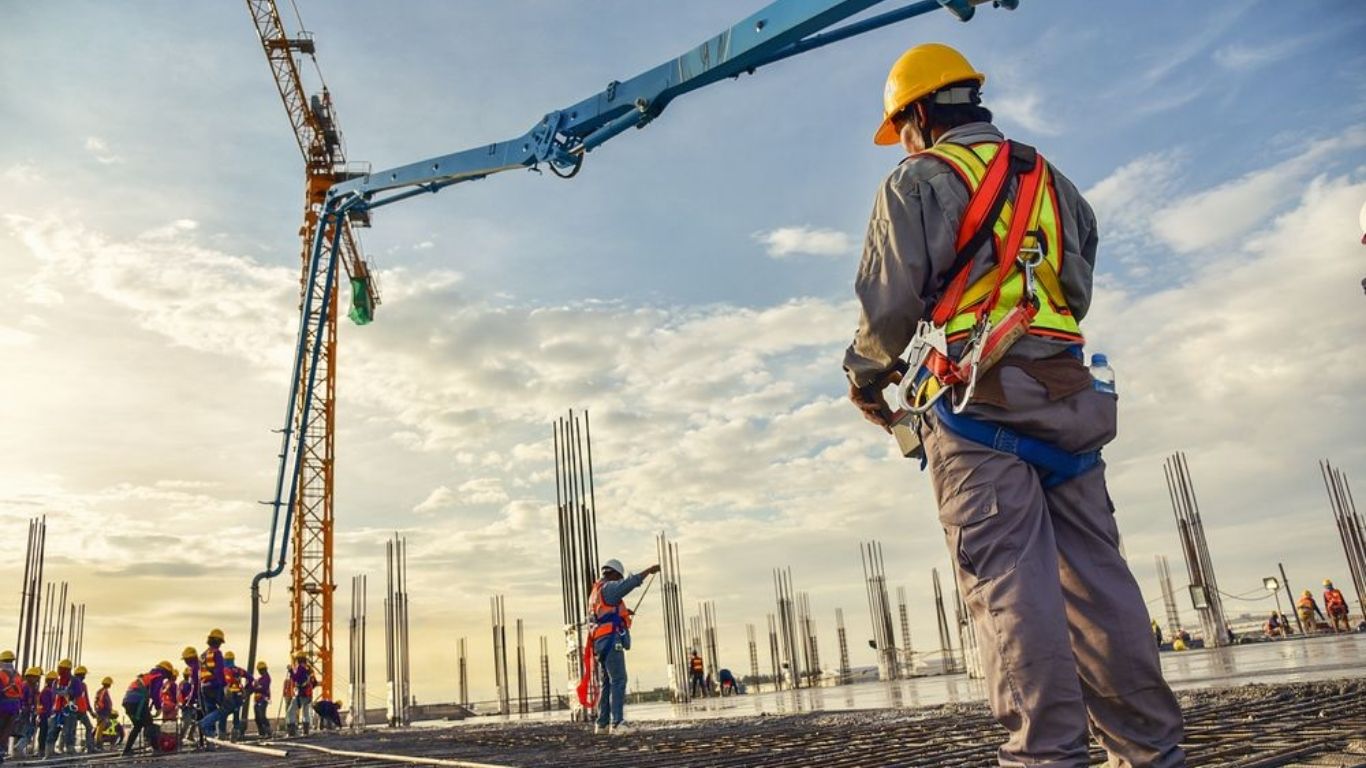
Reduce Emissions
3. Supporting Next-Generation Low-Clinker Binders
As the industry explores calcined clay blends (LC³), alkali-activated slag and geopolymer systems, and ultra-low-clinker formulations, PCE admixtures must adapt to different hydration kinetics and surface chemistries.
Modern formulations use precise polymer engineering—adjusting side-chain length, charge distribution, molecular weight, and functional groups—to maintain performance across diverse binder chemistries.
Making PCE Itself More Sustainable
Global PCE production exceeds 15 million tons per year, with an average footprint of about 1.1 kg CO₂e per kg PCE, depending on feedstock and energy source. To minimize this impact, HS Company invests in:
-
Bio-based raw materials such as lignin-derived monomers and corn-based ethylene oxide alternatives.
-
Renewable-energy-powered manufacturing and lower-temperature polymerization.
-
High-efficiency molecular design delivering equivalent performance at reduced dosage rates.
These initiatives ensure that the sustainability of the admixture itself keeps pace with the concrete systems it enables.
Integrating Carbon Capture, Utilization, and Storage (CCUS)
According to GCCA projections, CCUS could contribute up to 36 % of the total CO₂ reductions required for full decarbonization. The Brevik CCS project in Norway—the world’s first industrial-scale carbon-capture cement plant—was mechanically completed in 2024 and began commissioning in 2025. Once fully operational, it will capture about 400,000 tons of CO₂ per year.
At the same time, carbonation curing and CO₂ mineralization processes are being developed to sequester carbon within concrete itself. Global studies show that concrete’s natural carbonation from 1930 to 2023 has already reabsorbed ≈ 23.9 gigatons of CO₂, equivalent to roughly 52 % of cement-production emissions in 2023.
PCE admixtures play an enabling role in these CO₂-enhanced systems by ensuring uniform dispersion, compact microstructure, and adequate workability—all prerequisites for effective CO₂ integration without compromising strength.
Digital Optimization: Smarter, Cleaner Mix Design
Artificial intelligence and machine-learning tools now analyze material databases, SCM availability, environmental conditions, and emission factors to design mixes optimized for both strength and carbon footprint.
HS Company employs such digital platforms to:
-
Predict PCE-binder interactions and required dosage.
-
Simulate rheological performance under different climates.
-
Shorten laboratory testing cycles and reduce trial waste.
The result is faster deployment of verified low-carbon concrete with consistent quality and traceable performance data.
Market and Policy Dynamics
Public procurement rules and carbon-pricing frameworks increasingly favor materials with low embodied emissions. Construction firms that adopt PCE-enabled low-carbon concrete gain measurable advantages, including regulatory compliance, access to sustainability-driven clients, stronger ESG ratings, and improved brand value.
Green buildings using optimized concrete mixes can also realize 10 – 20 % higher asset valuations and lower lifetime maintenance costs—demonstrating that sustainability and profitability now go hand in hand.

Green construction
Overcoming Adoption Barriers
Despite its proven benefits, awareness of PCE’s decarbonization potential remains limited in some markets. HS Company addresses this through technical training, demonstration projects, transparent carbon documentation, and standardized admixture platforms that simplify specification across multiple project types.
Such education and standardization are critical for mainstream adoption of performance-based, low-carbon concrete.
Innovation on the Horizon
-
Nano-engineered PCE formulations for superior dispersion at lower dosages, boosting efficiency while cutting embodied emissions.
-
Multifunctional admixtures combining workability control, corrosion inhibition, and self-healing capabilities, extending service life by 30 – 50 %.
-
3D-printing-grade PCE systems enabling precise deposition, rapid strength gain, and optimized geometry—achieving material savings of up to 25 %.
Each advancement brings the industry closer to stronger, longer-lasting, and genuinely carbon-efficient concrete.
Conclusion: PCE Admixtures as Foundations for a Net-Zero Future
As the global concrete industry advances toward net-zero 2050, PCE admixtures stand out as ready-to-deploy, high-impact tools for carbon reduction. They enable lower cement content, greater SCM utilization, binder innovation, and integration with carbon-capture and digital technologies—all while maintaining performance and cost-effectiveness.
At HS Company Limited, our ongoing research focuses on developing PCE systems compatible with emerging low-carbon binders and bio-based raw materials, ensuring that every cubic meter of concrete built with our admixtures moves the industry closer to a sustainable future.
The journey to net-zero concrete has already begun—powered by chemistry, guided by innovation, and realized through PCE.


