

03/09/2025
Modern construction is pushing concrete far beyond its traditional limits. High-rise towers, expansive bridges, long-haul railways, and marine structures all require concrete that performs under extreme conditions while aligning with sustainability goals. To meet these demands, concrete admixtures have become essential. They are no longer optional add-ons but critical components in shaping the performance of concrete for specific project needs.
Understanding concrete admixtures: the foundation of performance
Concrete admixtures are carefully engineered compounds introduced into the mix in small, controlled quantities. Unlike the basic ingredients—cement, water, sand, and aggregates—admixtures act at the molecular level. They interact directly with cement hydration, fine-tuning how concrete behaves in both fresh and hardened states.

Through these interactions, admixtures can accelerate or slow down the setting process, enhance workability, reduce water demand, or increase long-term durability. Their impact is significant despite their low dosage, often between 0.1% and 12% of the cement weight. This makes them a highly cost-effective way to unlock advanced properties that conventional concrete cannot achieve on its own.
Primary Types of Concrete Admixtures and Their Functions
Chemical Admixtures: The Performance Enhancers
Water-Reducing Admixtures (Plasticizers) Standard water reducers decrease the water content in concrete mixes by 5-12% while maintaining workability. This reduction leads to higher strength development and improved durability by creating a denser concrete matrix with fewer voids.
High-Range Water Reducers (Superplasticizers). These advanced admixtures, including polycarboxylate ether (PCE) technology, can reduce water content by 12-30% or significantly increase workability without additional water. Modern superplasticizers like those used in HS Company’s product line represent third-generation technology, offering superior performance over traditional naphthalene or melamine-based products.
Set-Modifying Admixtures
- Accelerators speed up the hydration process, reducing initial and final setting times. They prove invaluable in cold weather conditions or when rapid strength gain is required.
- Retarders slow down the setting process, extending working time for complex placements or hot weather applications.
Specialty Chemical Admixtures
- Air-entraining agents create microscopic air bubbles that provide freeze-thaw resistance
- Corrosion inhibitors protect reinforcing steel in harsh environments
- Shrinkage reducers minimize drying shrinkage and associated cracking
Mineral Admixtures: The Strength Builders
Supplementary Cementitious Materials (SCMs)
- Fly ash improves workability and long-term strength while reducing cement content
- Silica fume creates ultra-high-strength concrete with exceptional durability
- Ground granulated blast furnace slag enhances durability and provides environmental benefits

Key Benefits of Using Concrete Admixtures
Enhanced Performance Characteristics
Concrete admixtures transform ordinary concrete into a high-performance material capable of meeting specific project requirements. Water-reducing admixtures increase compressive strength by up to 25% while improving workability, making it easier to place concrete in complex forms or congested reinforcement areas.
Economic Advantages
While admixtures represent an additional cost, they deliver significant economic benefits through reduced labor requirements, faster construction schedules, and extended service life. High-range water reducers enable the production of self-compacting concrete, eliminating vibration requirements and reducing placement time by up to 50%.
Environmental Sustainability
Modern admixtures contribute to sustainable construction practices by enabling the use of supplementary cementitious materials that reduce cement content. This reduction can decrease the carbon footprint of concrete by 20-30%, supporting green building initiatives and environmental compliance requirements.
Quality Assurance
Admixtures provide consistent performance characteristics, reducing variability in concrete properties. This consistency translates to more predictable construction schedules and reduced risk of quality-related issues that could impact project timelines or structural integrity.
Real-World Applications Across Construction Sectors
Infrastructure Development
Highway and Bridge Construction Concrete admixtures enable the construction of durable transportation infrastructure capable of withstanding heavy traffic loads and environmental stresses. High-range water reducers facilitate the placement of high-strength concrete in bridge decks, while accelerators allow for faster traffic reopening on highway repairs.
Railway Infrastructure High-speed rail projects require concrete with exceptional durability and minimal shrinkage. Specialized admixture combinations provide the necessary performance while meeting stringent specifications for track stability and long-term service life.
Commercial and Residential Construction
High-Rise Buildings Pumping concrete to significant heights requires specific workability characteristics that only advanced admixtures can provide. Superplasticizers maintain concrete flow properties during extended pumping operations while ensuring adequate strength development for structural requirements.
Precast Manufacturing Precast concrete production relies heavily on admixtures to achieve rapid strength gain, allowing for efficient production cycles. Early strength admixtures enable form removal within hours rather than days, significantly improving manufacturing productivity.
Specialized Applications
Marine and Offshore Structures Concrete in marine environments faces unique challenges from saltwater exposure and freeze-thaw cycles. Specialized admixture systems provide enhanced durability and reduced permeability essential for long-term performance in these harsh conditions.
Industrial Facilities Manufacturing plants and warehouses require concrete floors capable of withstanding heavy equipment loads and chemical exposure. Targeted admixture systems provide the necessary abrasion resistance and chemical compatibility.
Selecting the right admixture
Choosing the right admixture starts with a careful look at project requirements. Structural loads, environmental conditions, timelines, and specification standards all influence the selection process. Compatibility with local cement and aggregates is also crucial; laboratory testing is typically recommended to ensure optimal performance.
Working with experienced suppliers such as HS Company makes this process more reliable. With more than a decade of focused expertise in PCE admixtures and operations in Vietnam and the UAE, HS provides not only products but also technical guidance tailored to local conditions. This partnership approach ensures that concrete admixtures deliver their full potential in every project.
The future of admixture technology
Concrete admixtures are evolving in step with the challenges of modern construction. The latest polycarboxylate systems offer more than just water reduction—they provide extended workability, precise control of setting, and durability benefits. Research is also moving toward smart admixtures that can adapt to environmental changes or provide real-time data on concrete properties. Sustainability remains a guiding principle: reducing cement content, lowering energy use, and delivering materials with verified environmental product declarations will define the next era.
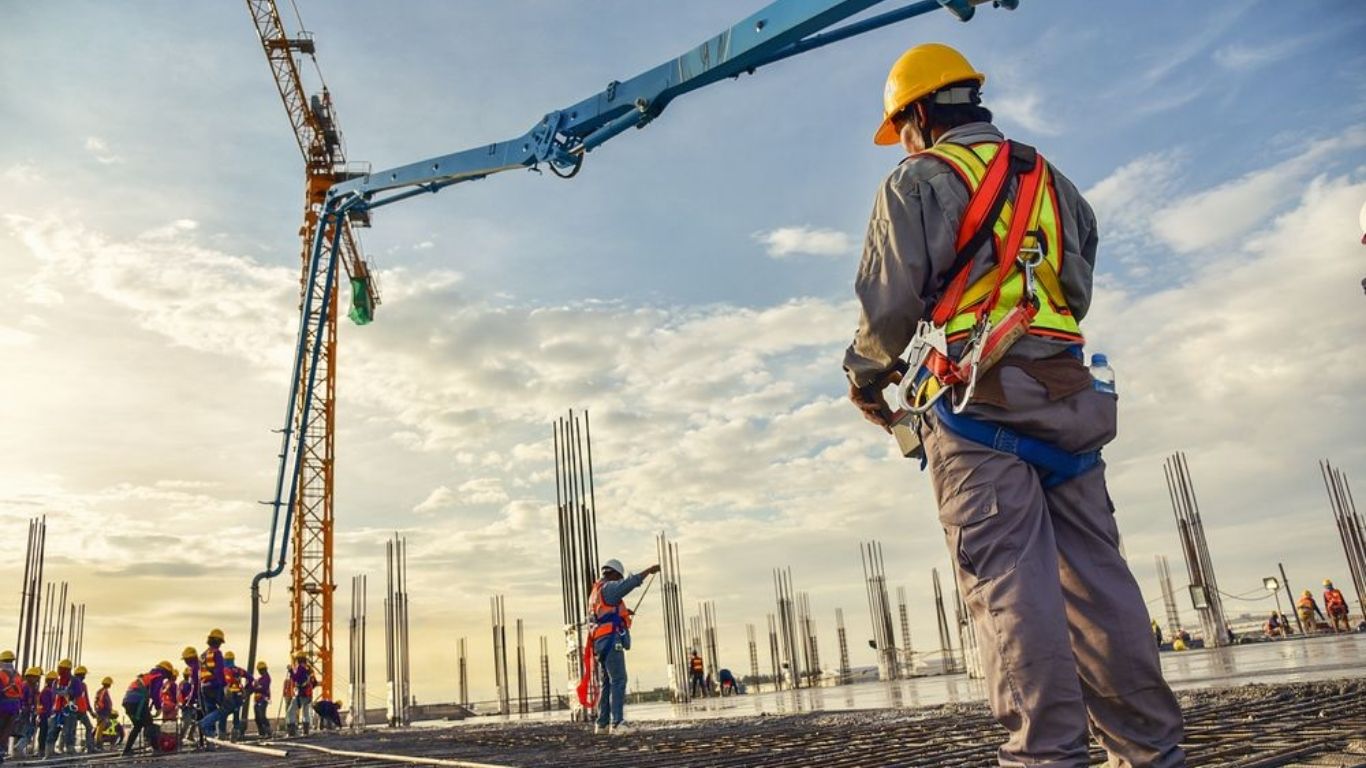
Real-World Applications Across Construction Sectors
Frequently Asked Questions (FAQ)
Q: What is the difference between water reducers and superplasticizers?
A: Water reducers lower water demand moderately (5–12%), while superplasticizers like PCE can reduce water up to 30% or increase slump significantly, enabling high-performance concrete.
Q: When should slump retention admixtures be used?
A: They are essential when concrete must remain workable for long transport times (e.g., ready-mix trucks over 1–2 hours) or in hot climates where mixes set too quickly.
Q: Why are early strength admixtures important for precast plants?
A: They allow demolding in 1–2 days instead of a week, speeding up production cycles, reducing storage space, and improving profitability.
Q: How do clay-tolerant admixtures like AT34 help?
A: Aggregates with clay absorb normal PCE, making it less effective. Clay-tolerant admixtures counter this effect, ensuring stable slump and consistent strength.
Q: What makes PCE powder different from liquid admixtures?
A: PCE powder has 98% solid content, is lightweight, easy to ship internationally, and is especially suitable for high-performance projects like LNG tanks or offshore structures.
Conclusion
Concrete admixtures have transformed construction, turning basic mixes into high-performance materials that meet demanding structural and environmental requirements. From water reducers and slump retention agents to early strength solutions and PCE powders, admixtures are key to building faster, stronger, and greener.
At HS Company Limited, our commitment is to deliver admixtures that combine proven performance with sustainability. With ISO certifications, EPD verification, and a distribution network spanning more than 40 countries, we are positioned to support your next project—whether it’s a skyscraper in Asia, a bridge in Europe, or a precast factory in the Middle East.
—————————————–
HS Company Limited – The global supplier of polycarboxylate ether (PCE) concrete admixtures.
General inquiry
Email: Info@hs-polycarboxylate.com
Tel: +84 28 5410 6840
Overseas Business
Email: export@hs-polycarboxylate.com
Tel: +84 28 5410 6840


